Blog

  • The History of Pinot Noir in the Czech Republic

    The History of Pinot Noir in the Czech Republic

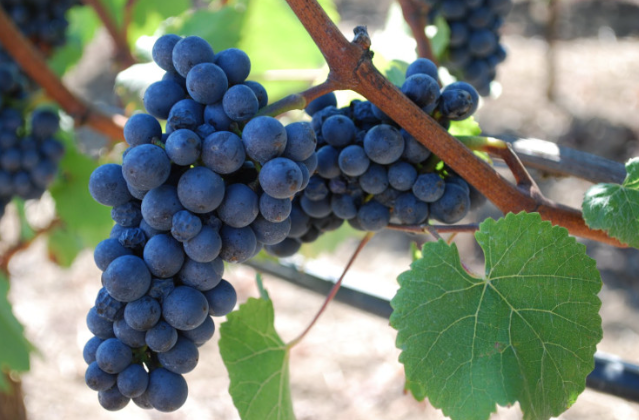
    When people think about Pinot Noir, the first place that usually comes to mind is Burgundy, France. However, this elegant grape variety has traveled far beyond its French origins. In the Czech Republic, Pinot Noir has developed a quiet yet fascinating history that stretches back several centuries, particularly in the wine regions of Moravia and Bohemia.

    Medieval Origins of Czech Viticulture

    Viticulture in the Czech lands dates back to the Middle Ages, when vineyards began to spread throughout southern Moravia and areas surrounding Prague. Monasteries played a central role in the development of early wine production, as monks cultivated vines for both religious ceremonies and everyday consumption.

    Pinot Noir—known locally as Rulandské modré—is believed to have arrived in the region between the 13th and 14th centuries. The grape was likely introduced through cultural and trade exchanges with Western Europe, especially from regions influenced by Burgundy and German-speaking territories.

    The climate of southern Moravia, with its warm summers and limestone-rich soils, proved surprisingly well suited to this delicate variety.

    Influence of the Holy Roman Empire

    During the time of the Holy Roman Empire, Czech viticulture was strongly influenced by Austrian and German wine traditions. Vineyard management techniques, grape selection, and cellar practices evolved as knowledge circulated across Central Europe.

    Pinot Noir gradually became established in Moravian vineyards. Although it never dominated production, it gained a reputation as a grape capable of producing elegant and refined wines when cultivated carefully.

    The Impact of the 19th Century

    The 19th century brought significant changes to European vineyards. Like many wine regions, the Czech lands were affected by the phylloxera crisis, which devastated vineyards across the continent.

    After the crisis, vineyards were replanted using grafted vines on American rootstocks. During this period, Pinot Noir remained part of the vineyard landscape, though growers also experimented with other varieties that were considered more productive or resistant.

    Wine Production Under the Communist Era

    After World War II, Czechoslovakia entered a communist period during which agriculture—including wine production—was largely collectivized. The focus shifted toward quantity over quality, and many traditional varieties, including Pinot Noir, received less attention.

    Large cooperative vineyards dominated production, and the subtle character of Pinot Noir often suffered under industrial-scale practices.

    The Modern Renaissance of Czech Pinot Noir

    Since the fall of communism in 1989, the Czech wine industry has undergone a remarkable revival. Private wineries have re-emerged, and many winemakers have focused on quality-driven production.

    Today, Pinot Noir is once again gaining recognition in the Czech Republic. Modern producers in regions such as Mikulov, Znojmo, and Velké Pavlovice are experimenting with terroir-driven styles, lower yields, and careful aging techniques.

    These wines often display a lighter body, bright acidity, and delicate aromas of red berries, earth, and subtle spice—characteristics that reflect both the cool Central European climate and the finesse of the Pinot Noir grape.

    A Hidden Gem of Central European Wine

    Although Czech Pinot Noir remains less known internationally than its Burgundian counterpart, it represents an exciting and evolving chapter in European wine culture. With a combination of historical roots and modern innovation, the Czech Republic is quietly proving that Pinot Noir can thrive far beyond its traditional homeland.

    For wine lovers willing to explore beyond the classic regions, Czech Pinot Noir offers a unique expression of one of the world’s most celebrated grape varieties.
  • Why Bohemian Wines Deserve Your Attention

    Why Bohemian Wines Deserve Your Attention

    When people think of the Czech Republic, beer usually comes to mind first. Yet beyond the famous breweries lies a lesser-known but fascinating wine culture, especially in Bohemia, a small wine region that offers history, character, and surprising quality.

    A Small Region with a Long Story

    Wine has been cultivated in Bohemia for centuries. Vineyards were already planted in medieval times, often near royal cities and along riverbanks where the climate and soils proved ideal. Over generations, winemakers refined their craft, creating wines that reflect both tradition and a distinctive Central European terroir.

    Today, Bohemia remains a modest wine region in size, but this is part of its charm. Production is limited, and many wines are enjoyed locally, making them a discovery for curious travelers rather than a mass-market product.

    Unique Terroir and Fresh Styles

    Bohemian vineyards benefit from cooler temperatures and varied soils, which often produce fresh, aromatic wines with lively acidity. White varieties dominate, offering elegant and refreshing profiles that pair beautifully with local cuisine.

    These wines are not about power or heaviness; they are about balance, subtlety, and drinkability. For wine lovers who appreciate finesse and originality, Bohemian wines can be a welcome surprise.

    Landscapes Worth the Journey

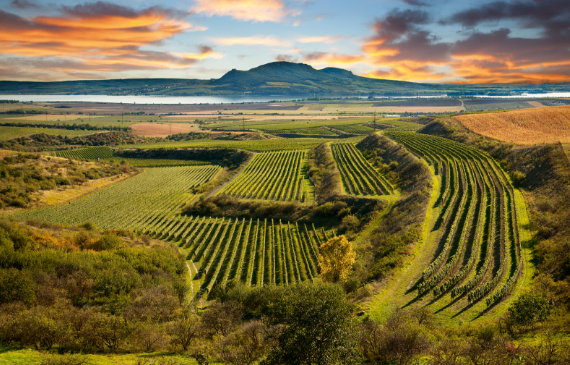
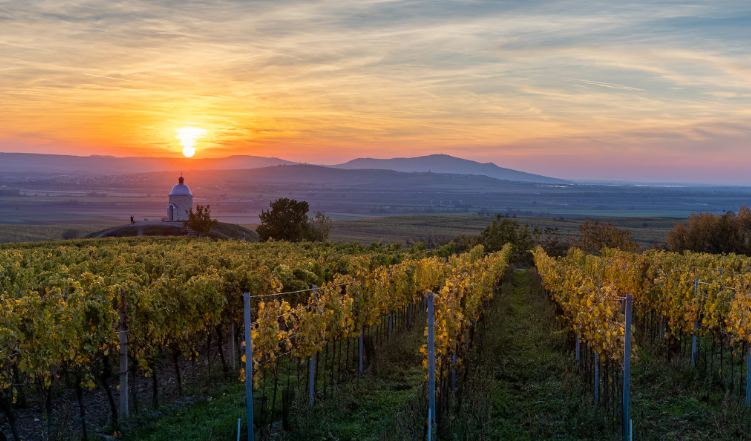
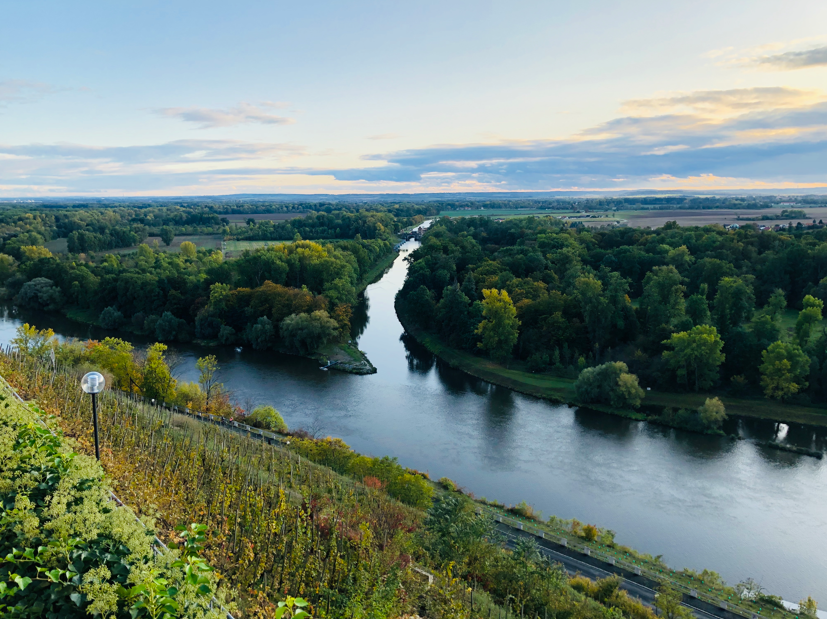
    One of the greatest pleasures of exploring Bohemian wine country is the scenery. Vineyards stretch along gentle slopes overlooking rivers, historic towns, and castles. The atmosphere is peaceful and authentic, far from the crowds of more famous European wine regions.

    Visiting these areas is not only about tasting wine—it is about experiencing landscapes, architecture, and local culture together.

    A Hidden Gem for Curious Travelers

    As travelers increasingly seek authentic and lesser-known destinations, Bohemia is gaining attention. It offers the rare combination of accessibility, history, and originality, all within easy reach of Prague.

    For those willing to look beyond the obvious, Bohemian wines provide a rewarding experience: distinctive flavors, welcoming winemakers, and the pleasure of discovering a region that still feels genuine and undiscovered.

    In a world where many wine destinations are already famous, Bohemia stands out precisely because it remains a secret worth sharing.

  • Top 5 Wine Villages to Visit in South Moravia

    Top 5 Wine Villages to Visit in South Moravia

    South Moravia is the heart of Czech wine culture, a region of rolling vineyards, charming villages, and centuries-old traditions. Still largely undiscovered by international travelers, it offers authentic experiences, beautiful landscapes, and welcoming winemakers. If you are planning a wine journey in the Czech Republic, these five villages and towns should be at the top of your list.

    1- Mikulov – Wine, History, and Spectacular Views

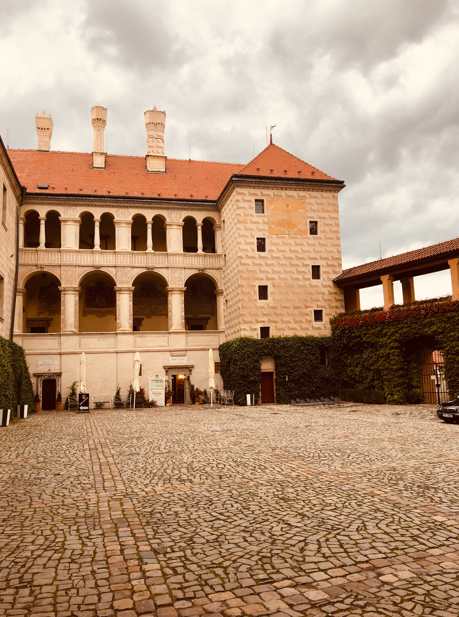
    Set beneath a stunning hilltop castle and surrounded by vineyards, Mikulov is one of the most picturesque wine towns in the country. Its historic center, lively wine culture, and proximity to the Pálava hills make it an ideal base for tastings, walks, and panoramic views over the countryside.

    2- Znojmo – Tradition and Character

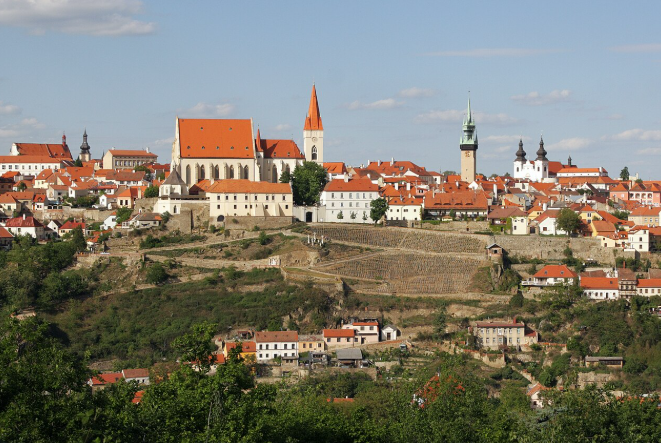
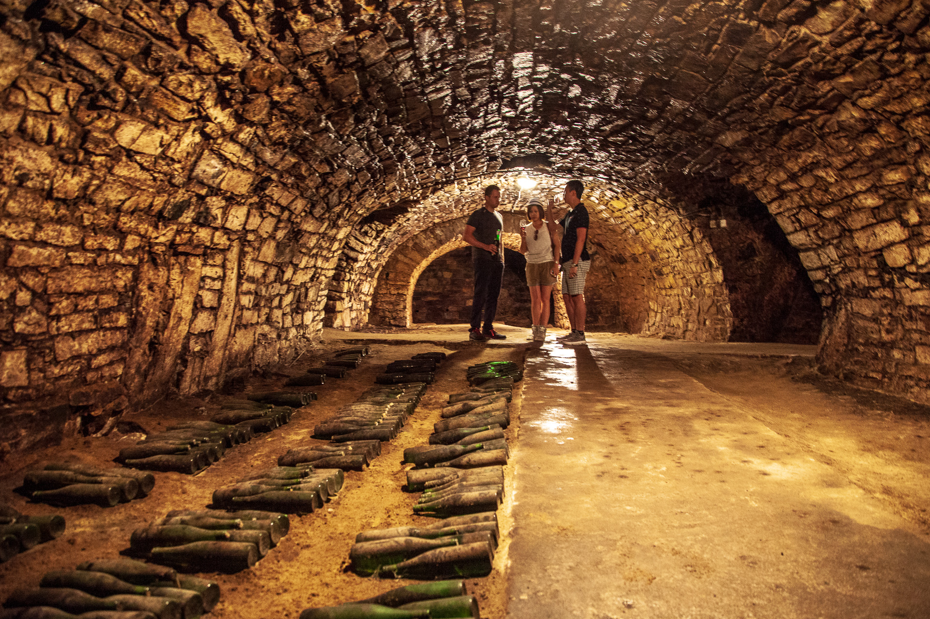
    Near the Austrian border, Znojmo is known for its long winemaking history and distinctive wines. Underground cellars, medieval streets, and nearby vineyard trails create a unique atmosphere where culture and wine blend naturally.

    3- Valtice – The Capital of Czech Wine

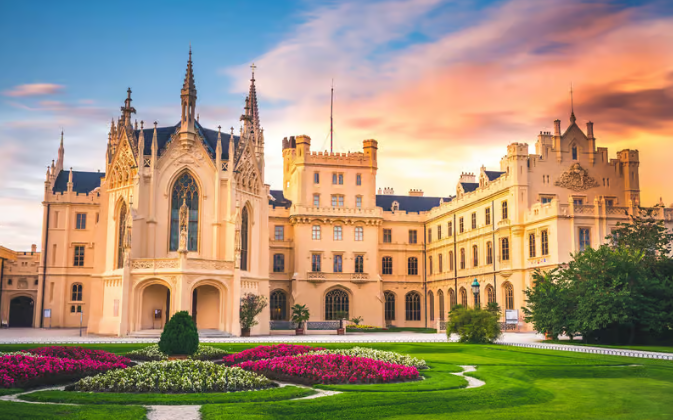
    Valtice is home to the National Wine Salon of the Czech Republic and forms part of the Lednice–Valtice Cultural Landscape, a UNESCO-listed area. Elegant architecture, vast vineyards, and a deep wine heritage make this town a must for anyone interested in Czech viticulture.

    4- Pavlov – Vineyards by the Hills

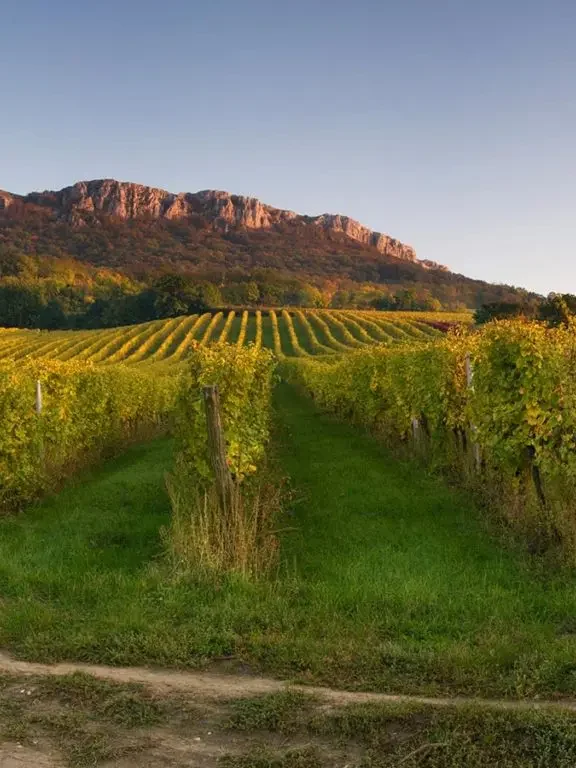
    At the foot of the Pálava hills, Pavlov is a small village surrounded by some of the region’s most scenic vineyards. It is the perfect place for those who enjoy slow travel: walking among the vines, enjoying lake views, and tasting local wines in a peaceful setting.

    5- Velké Bílovice – A Village of Winemakers

    Velké Bílovice is the largest wine-producing municipality in the Czech Republic and offers an authentic glimpse into local wine culture. Rows of colorful wine cellars and family-run wineries make it an excellent place to meet winemakers and experience traditions that have been passed down for generations.

    Discover South Moravia at Your Own Pace

    What makes South Moravia special is not only the wine, but also the atmosphere. Life moves more slowly here. Visitors are invited to take their time, explore the landscapes, and enjoy genuine hospitality. Whether you are a wine enthusiast or simply curious, these villages reveal a side of the Czech Republic that surprises many travelers—and leaves a lasting impression.